
Elderly Travel Tips | Travel with Care Australia
Thinking about travelling later in life? Discover practical tips for older travellers, including mobility, health, planning and how to travel with confidence. Elderly travel is easy when you know how
6/9/20253 min read
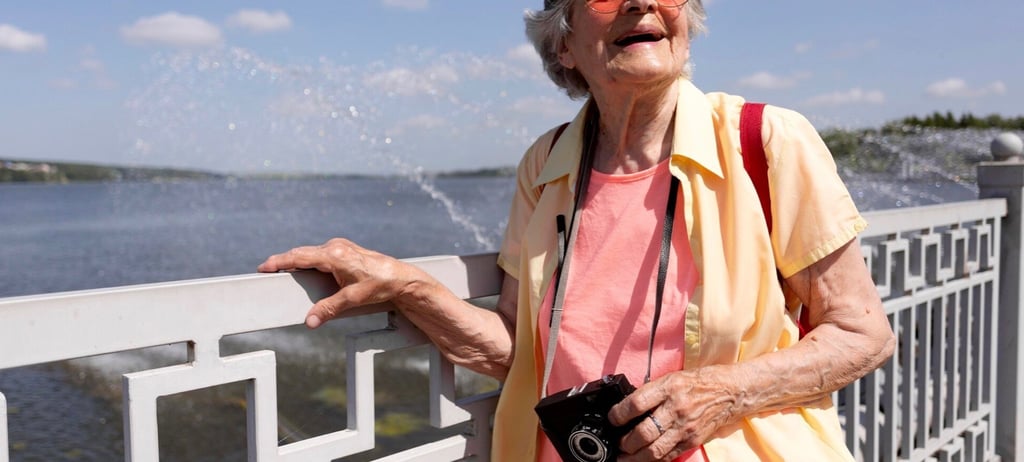
Elderly Travel: You're Never Too Old to Explore
For many people, travel represents freedom, adventure and connection. Yet as we get older, it's common to hear phrases like:
"I'm too old now."
"It's just too difficult."
"Maybe it's time to stop travelling."
The reality is that age alone should never determine whether you can continue exploring the world.
While growing older may mean travelling a little differently, it certainly doesn't mean giving up the experiences that bring joy, purpose and connection.
Whether it's visiting grandchildren interstate, taking a dream holiday to Europe, or returning to a favourite destination one last time, many older Australians continue travelling well into their 70s, 80s and beyond.
The key is planning the journey around your abilities, not your age.
Is There an Age Limit for Flying?
One of the most common questions I hear is:
"Am I too old to fly?"
The answer is almost always no.
Airlines don't have a maximum age limit for passengers. Instead, what matters is whether you are medically fit to travel and whether you can safely manage the journey.
Many people in their 80s and 90s travel successfully every year.
The important consideration isn't your age—it's your health, mobility and level of independence.
If you have concerns about your health, it's always advisable to discuss your travel plans with your GP or specialist before booking.
Planning Makes All the Difference
A successful trip begins long before you arrive at the airport.
Taking the time to plan ahead can significantly reduce stress and make your journey far more enjoyable.
Consider:
Choosing direct flights where possible
Booking aisle seats for easier access
Requesting wheelchair assistance if long walking distances are difficult
Allowing extra time between connecting flights
Organising travel insurance that suits your health needs
Packing medications in your carry-on luggage
Carrying a current medication list and medical summary
A little preparation can make a remarkable difference.
Don't Underestimate Airport Fatigue
Many people assume the flight is the hardest part.
In reality, it's often the airport.
Large international airports can involve kilometres of walking, long queues, security screening, waiting at departure gates and navigating unfamiliar terminals.
Even healthy travellers can find this exhausting.
For older travellers, fatigue increases the risk of falls, dehydration and reduced enjoyment of the journey.
*RN Insight.....
...As a Registered Nurse, I've found that planning extra time and accepting assistance when needed often makes the biggest difference to a traveller's comfort and confidence. There's no prize for trying to do everything yourself.
Travelling with Medical Conditions
Having a medical condition doesn't automatically mean you can't travel.
Many people continue travelling safely while living with conditions such as:
Arthritis
Heart disease
Diabetes
Parkinson's disease
Previous stroke
Early-stage dementia
Reduced mobility
The important question isn't whether you have a diagnosis—it's whether your condition is stable and well managed.
Always seek medical advice before travelling if you've recently been unwell or have concerns about your health.
Travelling with Elderly Parents
For many adult children, the biggest concern isn't the destination—it's the responsibility.
Questions such as:
"What if Mum becomes unwell?"
"What if Dad falls at the airport?"
"What if I can't manage everything on my own?"
These are completely understandable concerns.
Travelling with elderly parents can be incredibly rewarding, but it can also be physically and emotionally demanding.
Having additional support during the journey can provide reassurance for everyone involved, allowing families to focus on spending quality time together rather than worrying about every detail.
Elderly Travel Assistance Can Make the Difference
Sometimes, the only thing standing between someone and the trip they've always wanted is having the right support.
Professional elderly travel assistance can help with:
Airport check-in and boarding
Mobility support
Navigating large airports
Medication reminders
Assistance with luggage
General reassurance throughout the journey
Support during domestic and international travel
Many people don't require medical transport or hospital-level care.
They simply need someone experienced beside them to ensure the journey is safe, comfortable and enjoyable.
Travel Is About More Than Holidays
Travel isn't just about ticking destinations off a list.
It's about life's important moments.
Attending a grandchild's wedding.
Celebrating a milestone birthday.
Meeting a new family member.
Returning to a hometown filled with memories.
Taking the holiday you've dreamed about for years.
These experiences don't become less important as we grow older.
If anything, they become even more meaningful.
You're Never Too Old to Make New Memories
Growing older may change how you travel, but it doesn't have to stop you travelling altogether.
With thoughtful planning, realistic expectations and the right support, many older Australians continue to enjoy meaningful journeys around Australia and across the world.
Because age should never be the reason you miss out on life's most precious moments.
Need Help Planning a Safe Journey?
At Travel with Care Australia, we help older Australians and their families travel with confidence.
Whether you need a Registered Nurse travel companion, professional travel support, or simply want to discuss the safest way to plan your next trip, we're here to help.
Contact Travel with Care Australia today for a confidential, obligation-free discussion about your travel plans.

© 2025. All rights reserved.
Why Travel with Care Australia?
✔ Registered Nurse
✔ Emergency Department experience
✔First Aid
✔ Disability experience
✔ Dementia experience
✔WWCC
✔ International/Worldwide travel
✔ Door-to-door support
✔ Australia-wide
✔Insured
✔25+ years experience
✔ Personalised one-to-one service


How It Works
1️⃣ Contact us
↓
2️⃣ Free phone consultation
↓
3️⃣ Personalised quotation
↓
4️⃣ Travel planning
↓
5️⃣ Enjoy your journey